
How to Care for Silver Pooja Articles and Jewellery

Silver is treasured for both worship and adornment — but it needs a little care to stay bright. Here is how to keep your Gold Palace silver looking its best.

Why silver tarnishes

Silver reacts with moisture and sulphur in the air, forming a dull layer over time. This is normal and reversible — it is not damage.

Cleaning

  • Wipe pieces with a soft, dry cotton cloth after use.
  • For light tarnish, use a dedicated silver polishing cloth or a mild silver cleaner.
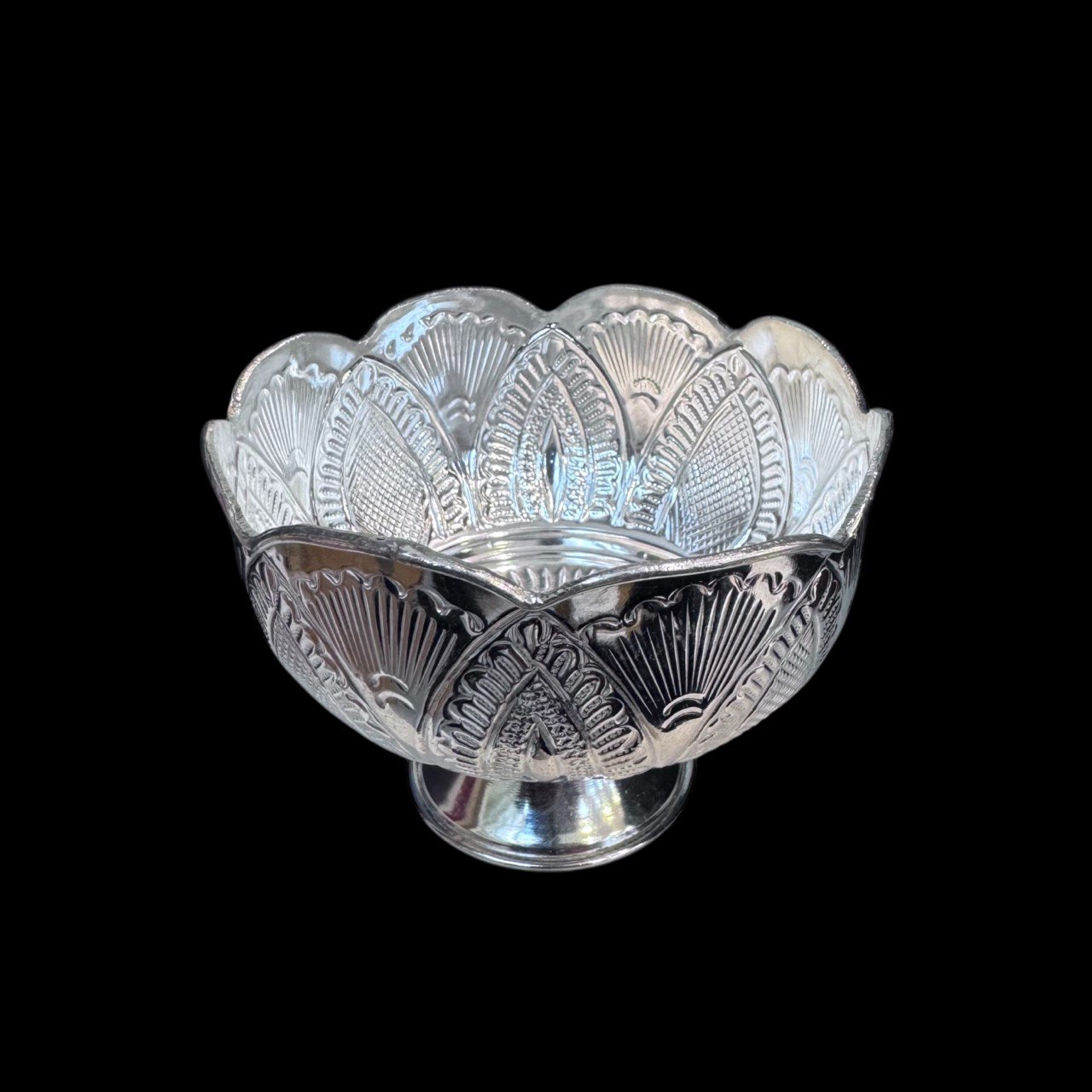
  • For deepams, panchapatras and pooja plates, wash with mild soap and warm water, then dry thoroughly — never leave silver wet.
  • Avoid harsh abrasives and toothpaste, which can scratch fine detailing.

Storage

  • Store silver in a dry place, ideally in anti-tarnish pouches or wrapped in soft cotton.
  • Keep pieces separate so they do not scratch each other.
  • A small silica-gel sachet in your storage box helps absorb moisture.

Everyday tips

Put on silver jewellery after perfume and cosmetics, and remove it before swimming or bathing. With simple care, silver idols, pooja articles and jewellery stay beautiful for generations. Explore our silver collections at goldpalace.co.in or visit our Nellore showroom.


A Guide to South Indian Bridal Jewellery

South Indian bridal jewellery is rich in tradition, symbolism and craftsmanship. If you are planning a wedding, here is a guide to the classic pieces — and how Gold Palace, Nellore can help you build your set.

The essential pieces

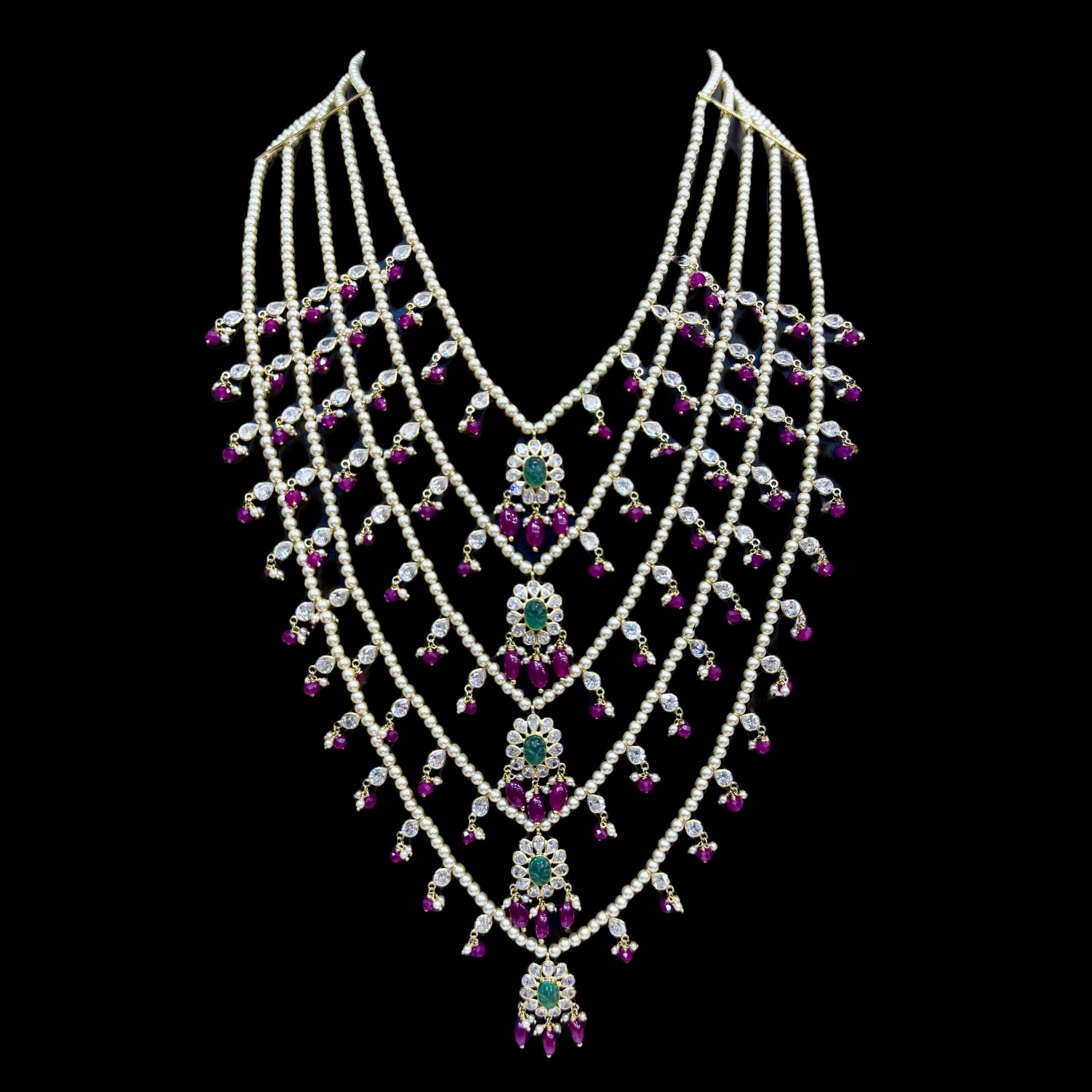
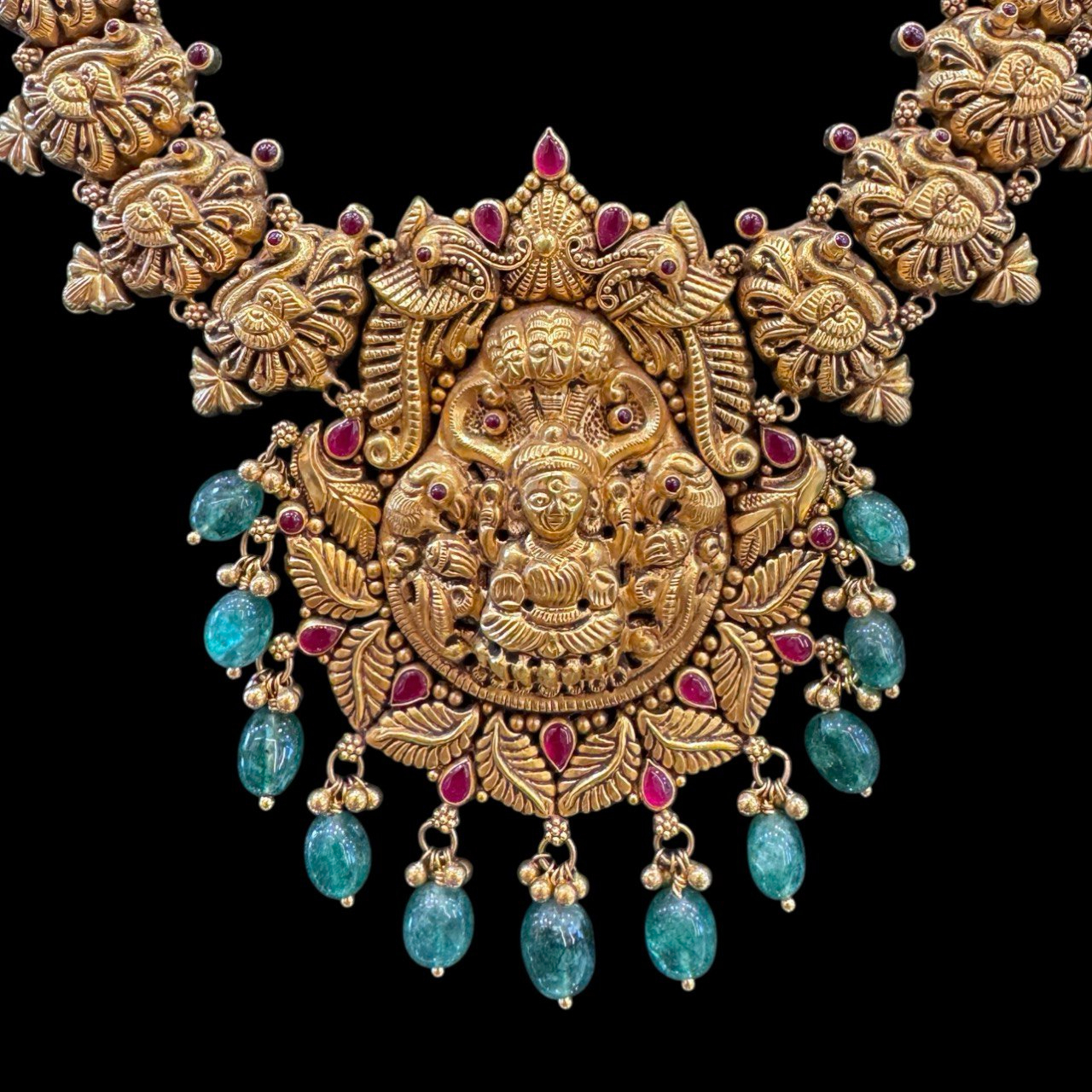
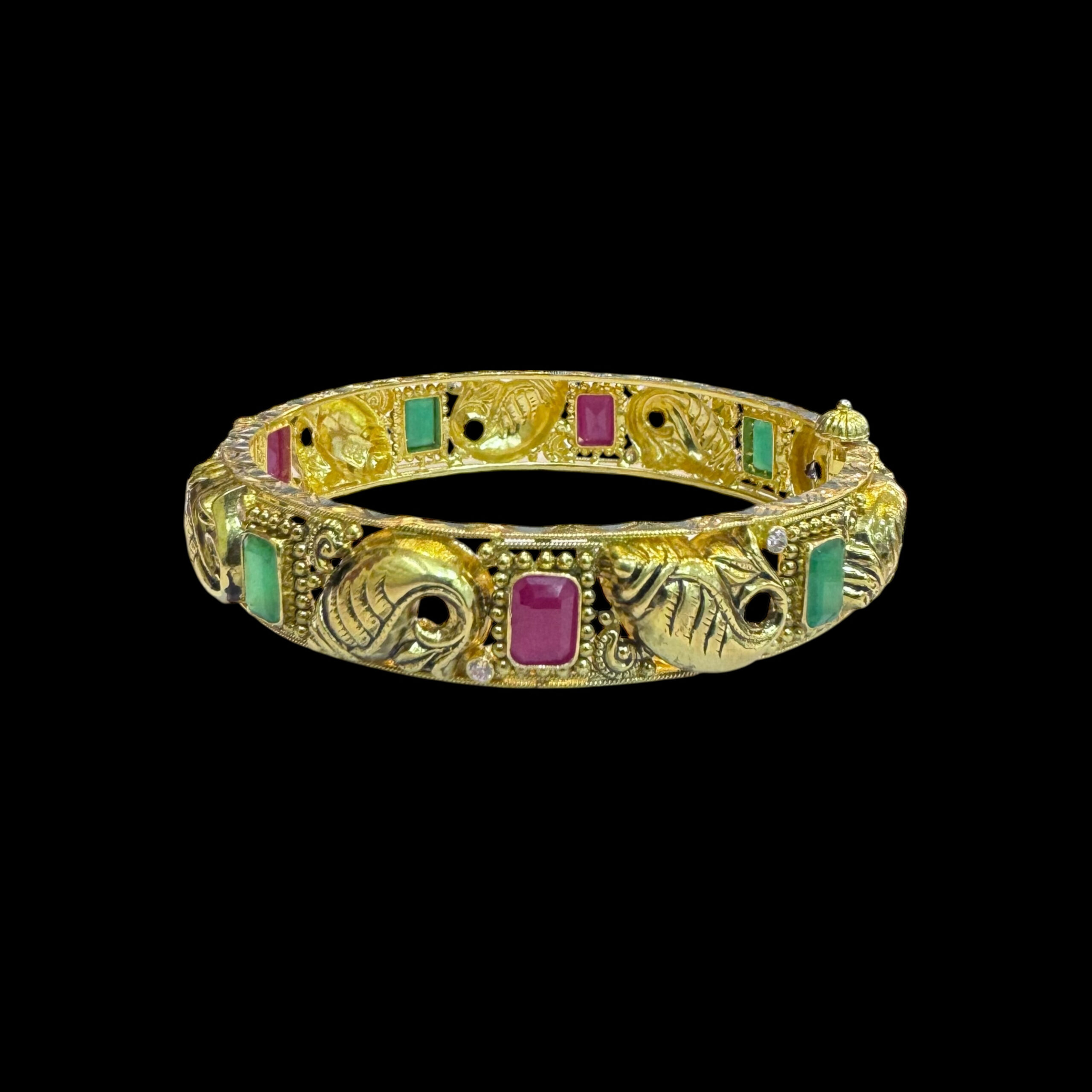
  • Haaram — the long temple necklace, often layered with a shorter necklace, in ruby, emerald and pearl temple designs.
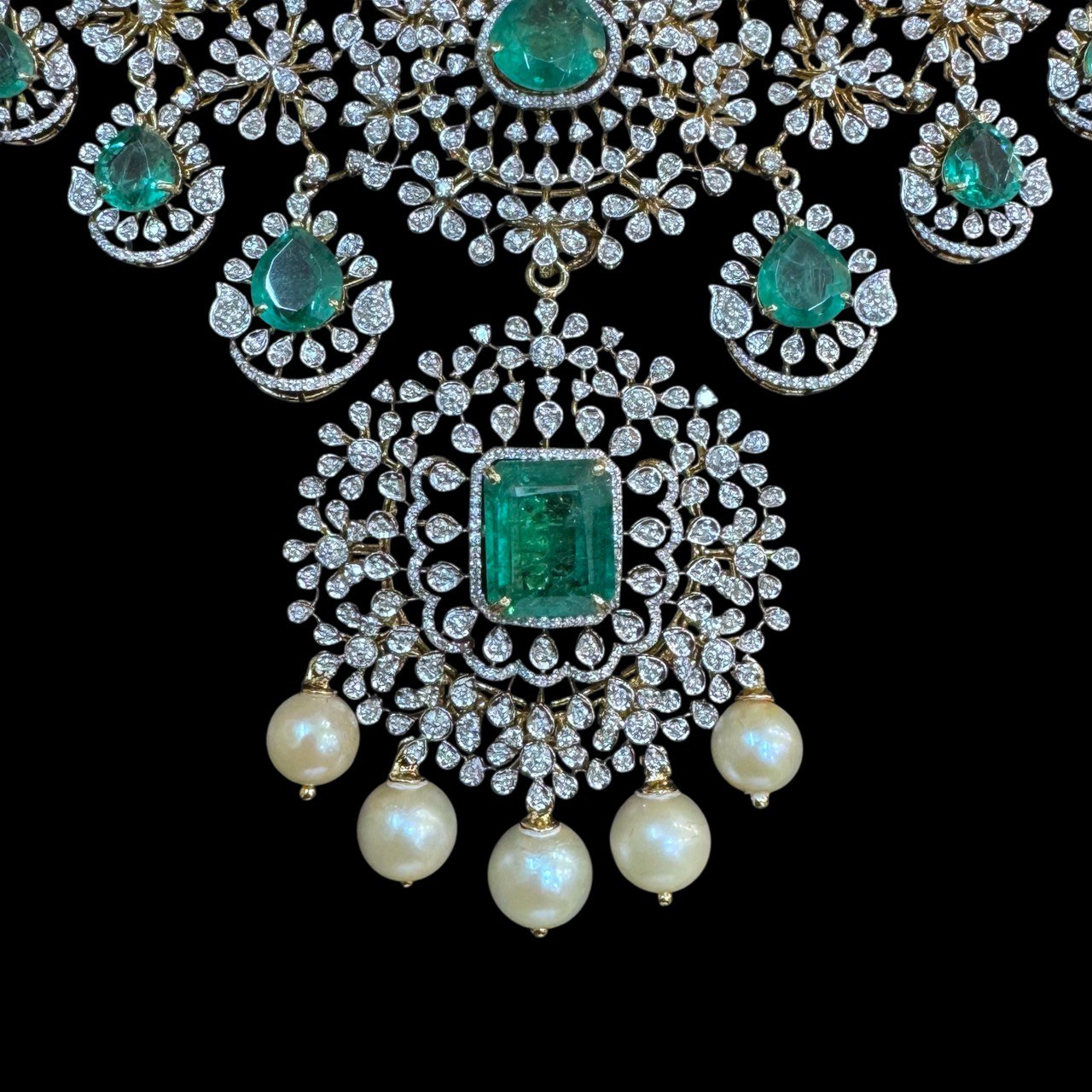
  • Short necklace / choker — worn close to the neck, in kundan, antique or diamond styles.
  • Vaddanam — the ornate waist belt, a showpiece of South Indian bridal wear.
  • Jhumkas & chandbalis — statement earrings, often with matching mattal ear-chains.
  • Vanki — the armlet worn on the upper arm, usually in a Lakshmi or peacock motif.
  • Bangles & kadas, rings, and nose pins complete the look.

Planning tips

Start early — bridal sets take time to select and, for custom work, to craft. Decide your metal (22K gold for tradition, 18K for diamond pieces), your stone palette (ruby-emerald temple vs kundan vs diamond), and coordinate with your saree colours. Set a budget and ask about making charges up front.

Why Gold Palace

Our bridal collections are BIS-hallmarked with transparent pricing and lifetime buyback, and we offer custom, made-to-order designs. Visit our Nellore showroom to plan your bridal set with our team, or browse online.

Lab-Grown vs Natural Diamonds: An Honest Buyer’s Guide

Lab-grown diamonds are one of the biggest shifts in modern jewellery. At Gold Palace, we offer both natural and certified lab-grown diamonds — here is a straight comparison to help you decide.

Are they “real” diamonds?

Yes. A lab-grown diamond is chemically, physically and optically identical to a mined diamond — same hardness, same sparkle. The only difference is origin: one grows in a lab, the other in the earth.

How they compare

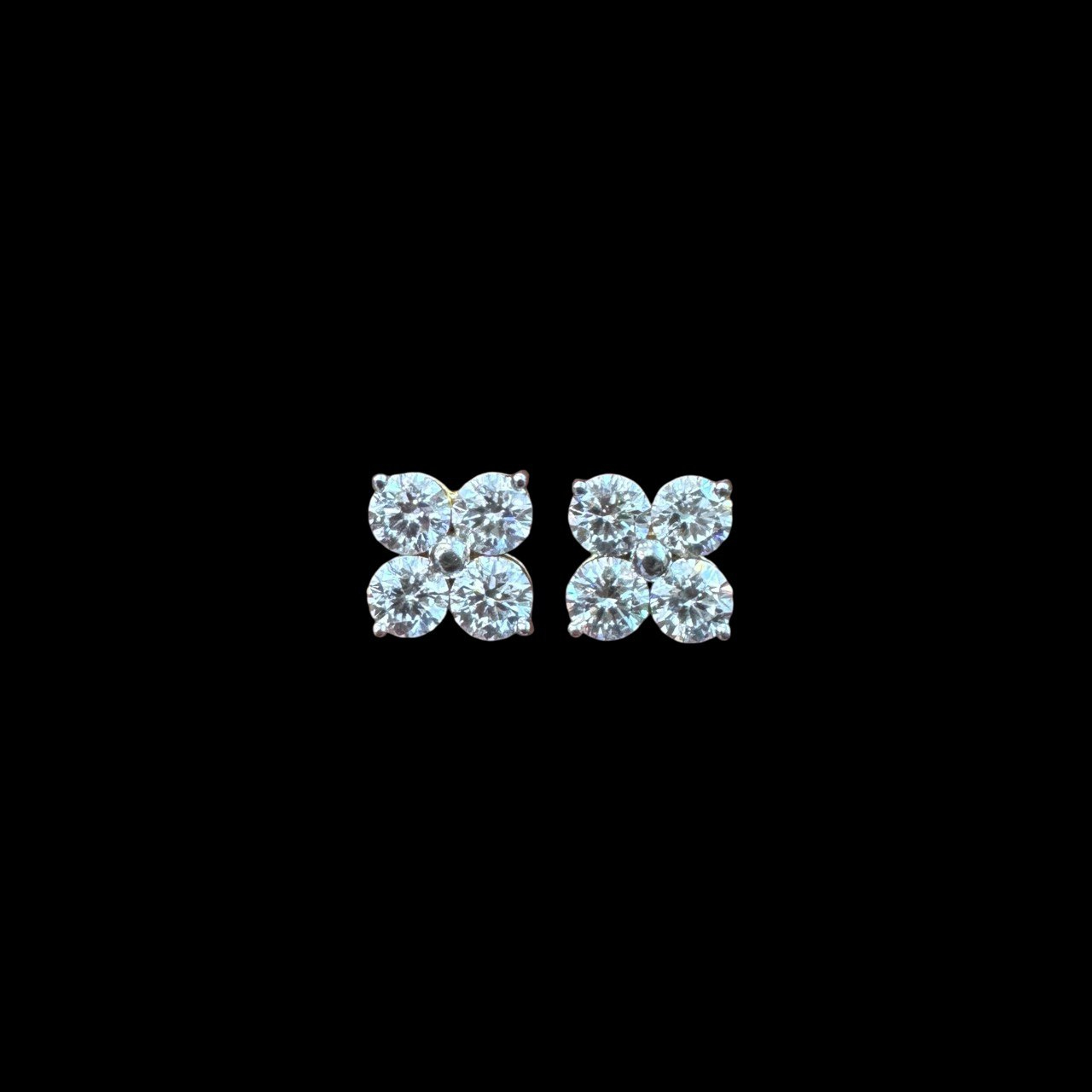
  • Brilliance: identical to the eye — both are graded on the same 4Cs (cut, colour, clarity, carat).
  • Price: lab-grown diamonds typically cost significantly less for the same size and quality, so you can choose a larger or higher-grade stone for your budget.
  • Certification: reputable lab-grown stones come with certification just like natural diamonds.
  • Resale/heirloom value: natural diamonds have traditionally held stronger resale value, which some buyers weigh for heirloom pieces.

Which is right for you?

Choose lab-grown for maximum size and sparkle per rupee — perfect for studs, rings and everyday diamond jewellery. Choose natural if long-term resale or heritage matters most. Either way, our team explains the certification on every stone. Explore our diamond jewellery or visit our Nellore showroom.

BIS Hallmarking & HUID Explained: How to Verify Your Gold

When you buy gold, the BIS hallmark is your guarantee of purity. Here is what it means and how to read it — so you can buy with total confidence.

What is BIS hallmarking?

The Bureau of Indian Standards (BIS) certifies the purity of gold jewellery. Since it became mandatory, every hallmarked piece carries marks that prove its karat is genuine — not just claimed.

The marks to look for

  • BIS logo — the triangular Bureau of Indian Standards mark.
  • Purity/fineness — e.g. 22K916 (22 karat), 18K750 (18 karat), 14K585 (14 karat).
  • 6-digit HUID — a unique Hallmark Unique Identification code. Every hallmarked item has its own HUID, traceable in the BIS system.

How to verify your jewellery

Download the free BIS Care app and enter the 6-digit HUID to confirm the item’s purity and details. A genuine hallmark plus a verifiable HUID means your gold is exactly what it should be.

Our promise

Every gold piece at Gold Palace, Nellore is BIS-hallmarked with transparent pricing and a lifetime buyback assurance. Browse bangles, necklaces and earrings online, or visit us to see the hallmark on any piece.

22K vs 18K vs 14K Gold: Which Purity Is Right for You?

One of the first questions every jewellery buyer asks is: which gold purity should I choose? At Gold Palace, Nellore, we believe an informed choice is a confident one. Here is a simple, honest guide.

What does “karat” mean?

Karat (KT) measures how much pure gold is in an alloy, out of 24 parts. Pure gold (24K) is too soft to hold intricate designs or stones, so it is mixed with other metals for strength and colour.

  • 22K (91.6% gold) — rich yellow colour, the traditional choice for Indian gold jewellery, bangles, chains and haarams. Ideal where the gold itself is the star.
  • 18K (75% gold) — more durable and better for holding diamonds and gemstones securely. Preferred for rings, pendants and diamond jewellery. Available in yellow, white and rose gold.
  • 14K (58.5% gold) — the most hard-wearing and budget-friendly, good for everyday and contemporary pieces.

Which should you buy?

Choose 22K for traditional gold jewellery and value retention; 18K for diamond and gemstone-set designs where durability matters; 14K for daily, low-maintenance wear. Every piece at Gold Palace is BIS-hallmarked, so the purity you pay for is the purity you get.

A note on value

Higher karat means more pure gold, so 22K holds more resale value per gram than 18K. With our transparent pricing and lifetime buyback, you always know exactly what your gold is worth. Explore our collections or visit our Nellore showroom for guidance.